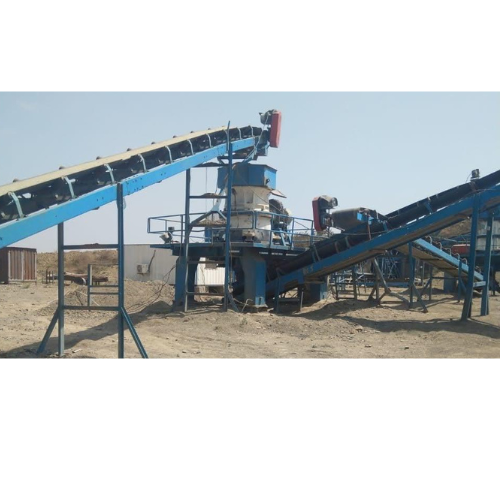
In industrial crushing and screening plants, belt conveyors represent the lifeblood of material transportation, connecting feeders, crushers, and screens. If a conveyor belt fails, the entire plant comes to an immediate standstill, causing major production losses. Despite this, conveyors are often neglected in maintenance budgets. This guide helps you identify the primary causes of conveyor failure and implement robust preventive maintenance.
1. Primary Causes of Conveyor Failures
Most conveyor failures are preventable and can be traced to three primary issues:
- Belt Mistracking (Off-Center Running): The belt drifts off-center, rubbing against structural frames. This leads to severe edge wear, structural damage, and material spillage.
- Pulley Slippage: If the belt lacks proper tension or the drive pulley lacks rubber lagging, the pulley rotates inside the belt, causing severe frictional heat and belt damage.
- Material Spillage & Splice Wear: Hard stones falling from transfer chutes land directly on return belts, get caught in tail pulleys, and damage the belt fabric. Mechanical splice joints also wear down over time.
2. Conveyor Failures troubleshooting Table
This table lists common conveyor failures, their root causes, and SREW's recommended maintenance actions.
| Failure Symptom | Root Cause | Preventive Maintenance Action |
|---|---|---|
| Belt edge wear / rubbing | Belt mistracking due to misaligned idlers | Align idlers and install self-aligning tracking rollers |
| Belt slip on start-up | Low belt tension or worn drive pulley lagging | Adjust take-up screws and install grooved rubber lagging |
| Frictional tear under feed chute | Sharp stone impact damaging the belt core | Install impact idlers and heavy-duty rubber skirt boards |
| Tail pulley bearing seizure | Silt/dust ingress due to worn seals | Lubricate weekly and install dual-lip bearing dust seals |
| Belt splice joint splits | Worn mechanical fasteners or weak vulcanized splice | Inspect splice joints weekly; replace worn clips immediately |
Need Premium Crushing Machinery?
Explore SREW's ISO 9001:2015 certified crushing plants built to deliver high durability and low maintenance costs.
View Full Products Catalog