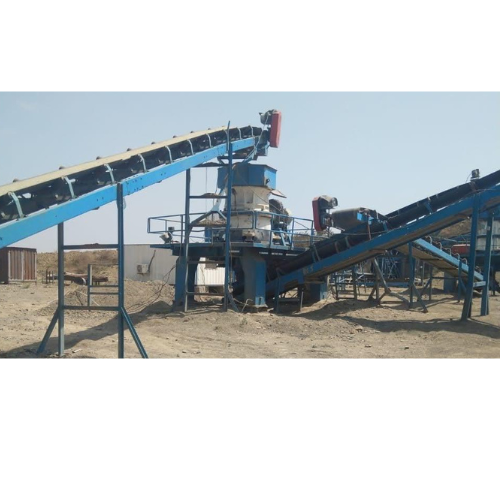
In quarrying and aggregate manufacturing, selecting the right machine for each size reduction stage is critical to maintaining operational efficiency. While both Jaw and Cone crushers are heavy-duty size reduction machines, they perform radically different roles in a production circuit. Applying them incorrectly leads to extreme wear costs, low capacity, and high downtime. This comparison breaks down their design parameters, stage limits, and operational differences.
1. Primary Role Differences in Crushing Stages
The most basic difference between the two machines lies in their placement within the crushing loop:
- Jaw Crusher (Primary Stage): Designed to receive heavy raw run-of-mine quarry boulders (up to 700mm) and reduce them to intermediate sizes (100-150mm). It operates on a compression crushing mechanism with high stroke amplitude, easily swallowing large boulders.
- Cone Crusher (Secondary/Tertiary Stage): Designed to receive the intermediate aggregate output from the Jaw Crusher and reduce it to commercial construction sizes (e.g. 10mm, 20mm, plaster sand). It operates on a high-speed compression/shear mechanism with automation.
2. Technical & Operational Comparison Table
This table compares SREW's heavy-duty Jaw and Hydraulic Cone crushers based on key B2B technical parameters.
| Parameter | SREW Jaw Crusher (Primary) | SREW Hydraulic Cone Crusher (Secondary) |
|---|---|---|
| Crushing Stage | Primary Stage | Secondary & Tertiary Stages |
| Feed Sizing Capacity | Large boulders (300mm to 700mm) | Medium-small metals (under 150mm) |
| Output Grain Shape | Elongated / Flaky (requires secondary processing) | Premium Cubical Aggregate |
| Rock Hardness Limits | Suitable for soft, medium, and very hard stone | Excellent for very hard, abrasive granite/basalt |
| Wear Mechanism | High wear on tooth plates (replaceable manganese jaw plates) | Balanced wear across concave and mantle liners |
| Operational Cost | Extremely low maintenance per ton | Moderate operational cost (highly automated) |
Need Premium Crushing Machinery?
Explore SREW's ISO 9001:2015 certified crushing plants built to deliver high durability and low maintenance costs.
View Full Products Catalog