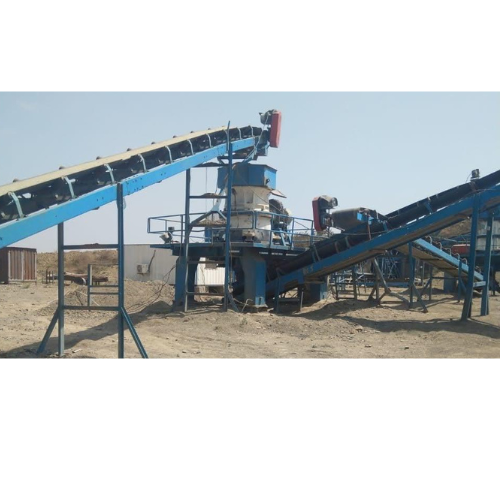
Operating a stone crushing plant at a steady TPH (Tons Per Hour) output is critical to maintaining profitable quarry operations. When output drops, it directly affects aggregate supply commitments and increases operating costs. Often, operators struggle to identify the exact cause of this drop, blaming the machinery when in reality, the issue lies in operational setup, feed moisture, or setting calibration. SREW's comprehensive troubleshooting guide helps you identify and resolve output issues.
1. Primary Causes of Crusher Output Drops
A sudden or gradual drop in hourly aggregate output is typically caused by one of these five common issues:
- CSS Setting Drift: The Closed Side Setting (CSS) of jaw or cone crushers determines the size of the output. Over time, as manganese liners wear down, the CSS gap naturally widens, allowing oversize material to exit and overloading vibrating screen recycle loops.
- Wet Feed & Clay Clogging: High clay content or wet quarry feed (especially during monsoons) clogs grizzly feeder slots and crusher jaw cavities. This leads to material bridging and slows down the feed rate.
- Uneven Chamber Feeding: If rock feed is not evenly distributed across the crushing chamber (segregated feeding), jaw crushing efficiency drops by 20% to 30%, causing localized liner wear.
2. Output Drops troubleshooting Table
This troubleshooting guide details the typical causes of crusher output drops and SREW's recommended solutions.
| Symptom | Potential Root Cause | Recommended Action & Solution |
|---|---|---|
| Oversize aggregate volume increases | Liner wear causes Closed Side Setting (CSS) drift | Calibrate and adjust the hydraulic CSS gap weekly |
| Primary Grizzly feeder bridging | Wet clay or oversized boulders clogging slots | Clean grizzly bars and install bypass chutes |
| Localized chamber wear patterns | Segregated feeding (large rocks on one side, fines on other) | Install a central feed box to distribute material evenly |
| High motor amperage & slow crushing | Undersize fines entering the crushing chamber | Ensure grizzly screen bars bypass fines directly to screen |
| Gradual hourly TPH drop | Manganese jaw plates or cone liners worn flat | Flip or replace worn jaw plates to restore teeth profile |
Need Premium Crushing Machinery?
Explore SREW's ISO 9001:2015 certified crushing plants built to deliver high durability and low maintenance costs.
View Full Products Catalog